
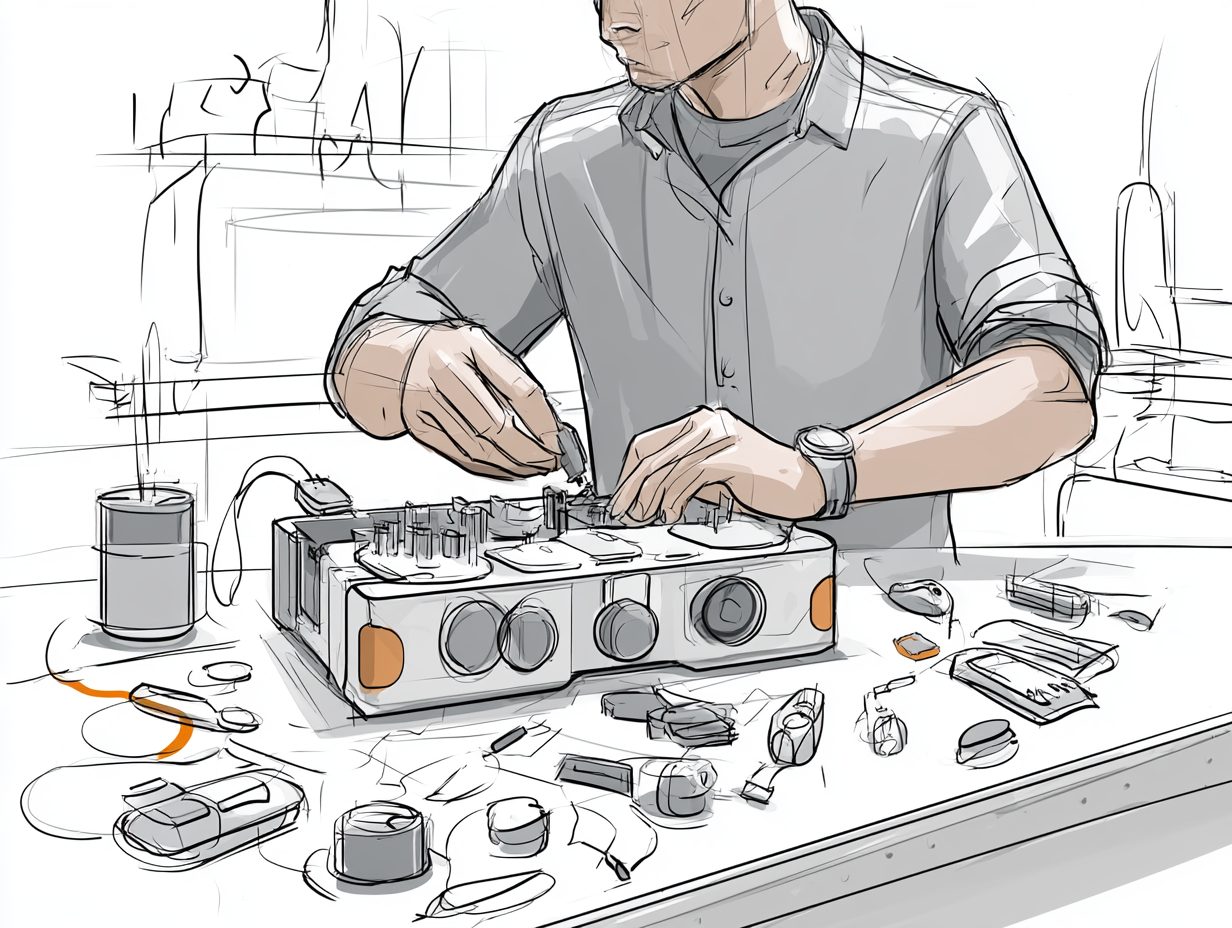
A working prototype is an important milestone—but getting a product successfully into production requires much more than a functional design.
SPEED helps companies navigate the transition from prototype to manufacturing by reducing risk, improving manufacturability, and creating a clear path toward production.
Move From Prototype to Production With Confidence
Why the Transition is So Difficult
Many products work exactly as intended in the lab but struggle when production begins.
Common challenges include:
Products that weren't designed for manufacturing

Supply chain issues
Testing and validation gaps
Cost targets that cannot be achieved
Manufacturing documentation deficiencies
Reliability concerns
Supplier feedback requiring redesign

The prototype-to-production phase is where many otherwise promising products fail.
Signs Your Product May Not Be Ready for Production
Prototype has never undergone a DFM review

Production costs are higher than expected

Supply chain concerns remain unresolved

Preparing for EVT, DVT, or PVT

Manufacturing documentation is incomplete

No formal manufacturing plan exists

Contract manufacturer has requested design changes

Team lacks production experience

Leadership is uncertain about readiness

The Typical Prototype-to-Production Journey
Concept
Define product vision, requirements, and feasibility.
Prototype
Build and test functional prototypes to prove concepts.
Engineering Validation
(EVT) Verify engineering design and basic functionality of core components.
Design Validation
(DVT) Validate fully-integrated design for reliability and manufacturability.

Production Validation
(PVT) Confirm the process, quality, and consistency in pilot production.
Manufacturing Ramp
Scale production, resolve issues, and optimize.
Production
Full-scale manufacturing and delivery.


Manufacturing Readiness Review™
Identify production risks before they become costly delays.
Our Manufacturing Readiness Review provides a clear assessment of your product’s readiness for volume production and a prioritized plan to close the gaps.
REVIEW DELIVERABLES:
DFM Assessment
Production Risk Review
Supply Chain Review
Test Strategy Evaluation
Recommended Action Plan

Find out more about our Manufacturing Readiness Review™
Areas We Evaluate
Mechanical Design
Evaluate part geometry, materials, tolerances, and manufacturability.

Electronics Design
Review PCB design, layout, DFM guidelines, and component placement.

Component Selection
Assess availability, alternatives, lifecycle, and cost drivers.

Assembly Methods
Evaluate assembly processes, tools, fixturing, and labor requirements.
Production Testing
Review test coverage, strategies, access points, and testability.

Manufacturing Documentation
Assess BOMs, drawings, work instructions, and release readiness.
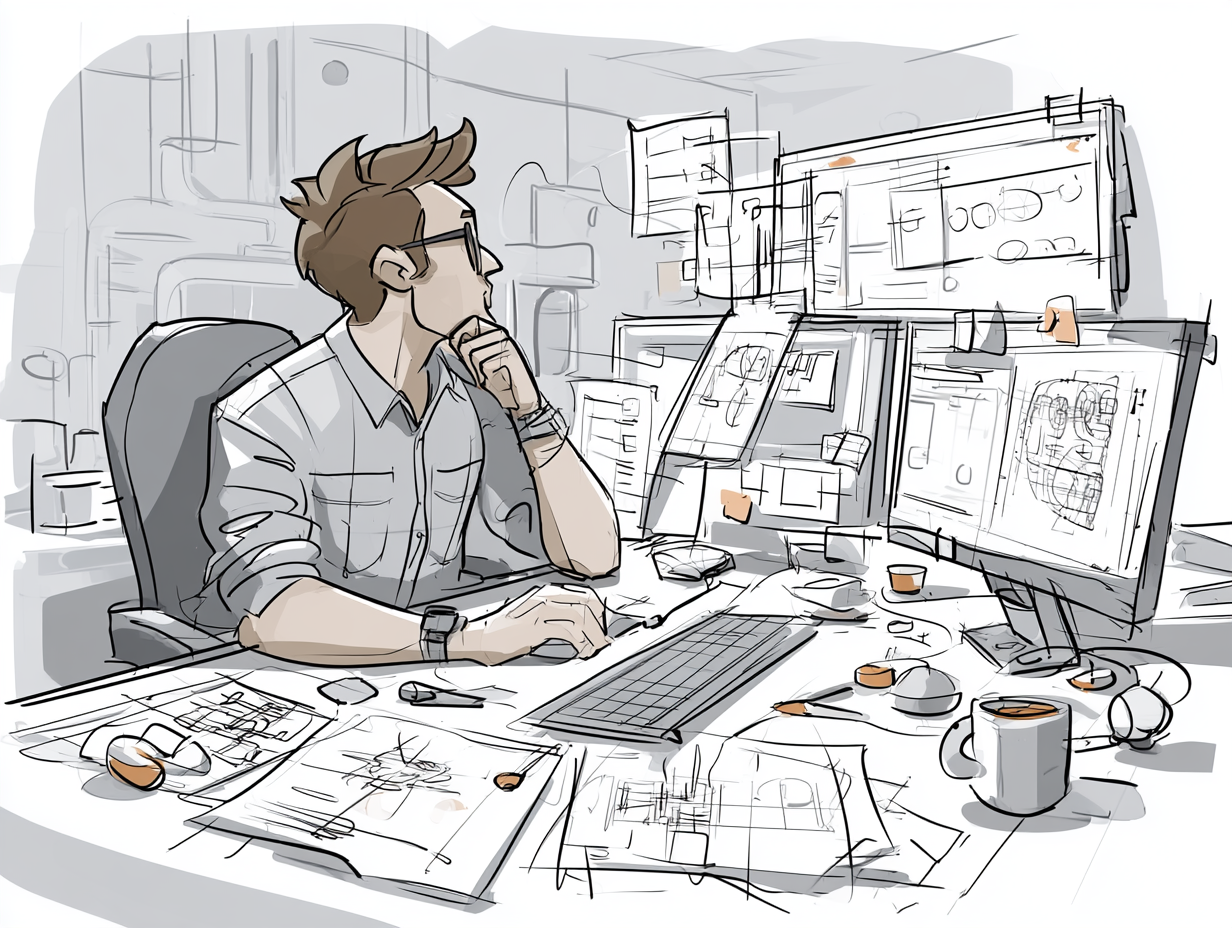
Why Companies Choose SPEED?
End-to-End Ownership
We take responsibility for execution from concept through production, ownership that drives results.
Integrated Product Expertise
Hardware, firmware, software, testing, and manufacturing managed as one integrated system.

Manufacturing-First Thinking
We design with production realities in mind from day one to reduce risks and control costs.
Single Point Accountability
One team. One partner. One point of contact accountable for your product’s success.

Proven Results Across Industries

Transforming an Innovative Concept into a Production-Ready Product
SPEED provided end-to-end development support to help turn an ambitious concept into a manufacturable product designed for real-world use.
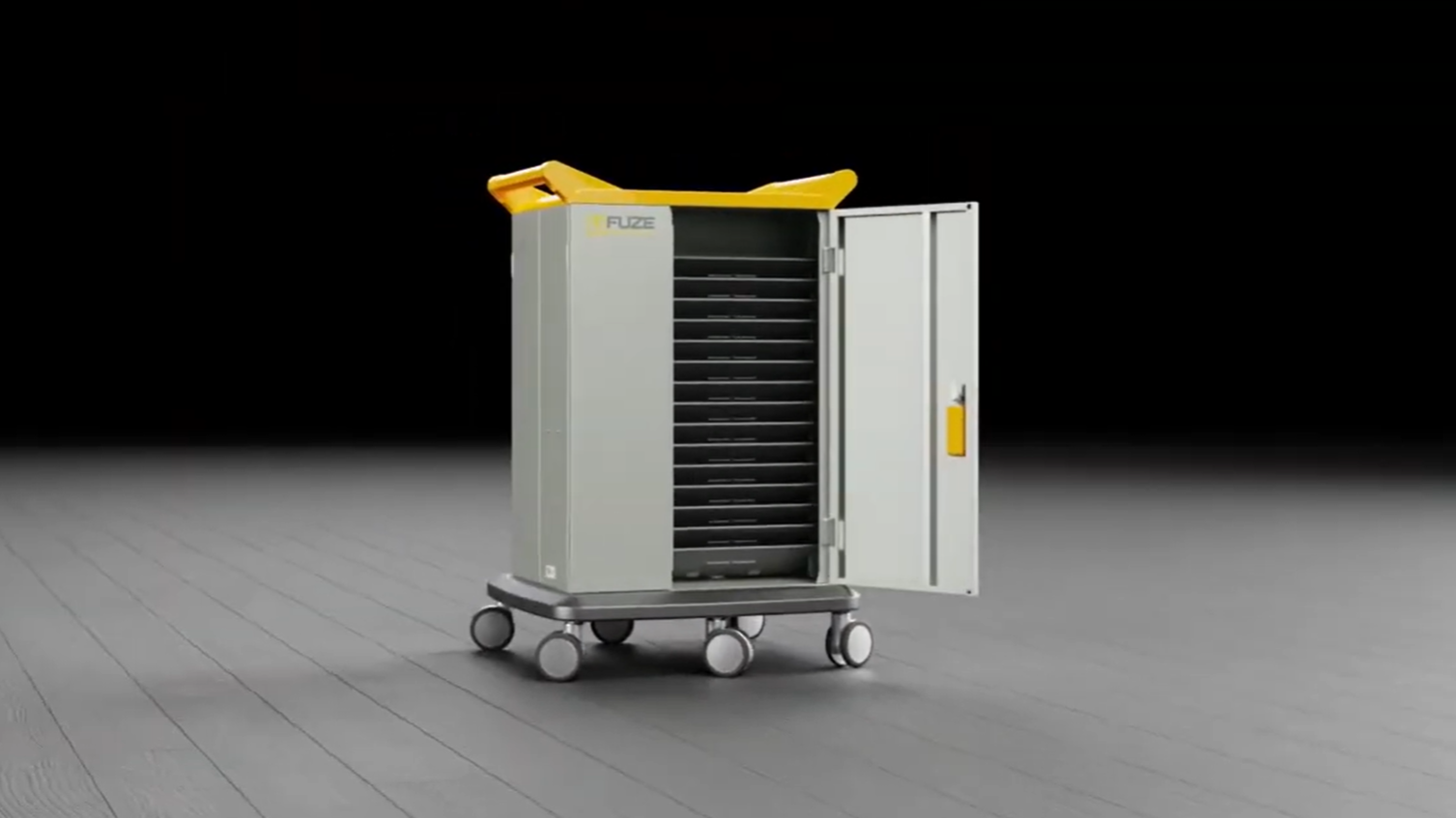
SPEED worked alongside the client to navigate technical complexity, align stakeholders, and drive development forward toward a successful launch.
Taking Ownership of Complex Product Execution

SPEED supported MedAxis through the development of a sophisticated medical device by integrating hardware development expertise with a focus on usability, quality, and manufacturability.
Helping Bring Complex Medical Technology to Market
Frequently Asked Questions
-
Prototype-to-production support helps bridge the gap between a functional prototype and successful manufacturing. This can include Design for Manufacturing (DFM), supply chain planning, testing and validation strategies, manufacturing documentation, production readiness assessments, manufacturing transfer activities, and production ramp support. The goal is to identify risks early and create a clear, actionable path toward production.
-
The timeline depends on the complexity of the product, the maturity of the design, regulatory requirements, and manufacturing readiness. Some products can transition to production in a matter of months, while others require additional design refinement, testing, and validation activities before manufacturing can begin. The key is ensuring the product is truly ready rather than rushing into production and creating expensive downstream issues.
-
These are important phases that help validate a product before full production:
EVT (Engineering Validation Test): Confirms that the core design and individual components function as intended.
DVT (Design Validation Test): Verifies the fully-integrated product meets performance, reliability, and regulatory requirements in real-world scenarios.
PVT (Production Validation Test): Confirms that manufacturing processes can consistently produce quality products.
Successfully navigating these stages significantly reduces production risk.
-
A working prototype alone does not mean a product is ready for manufacturing. Questions to consider include:
Has the product undergone a DFM review?
Is the supply chain defined?
Is there a production test strategy?
Are manufacturing documents complete?
Has the product been validated for reliability and scalability?
A Manufacturing Readiness Review™ can help answer these questions and identify any gaps before production begins.
-
Some of the most common risks include:
Designs that are difficult to manufacture
Component availability issues
Production test gaps
Reliability concerns
Cost targets that cannot be achieved
Manufacturing documentation deficiencies
Incomplete validation activities
Many of these issues are manageable if identified early but become significantly more expensive once production begins.
-
Yes. We regularly work alongside contract manufacturers and suppliers. In many cases, our role is to help align development activities with manufacturing requirements, improve communication between stakeholders, and support a smooth transition into production. Our objective is to become an extension of your team and help ensure manufacturing success.
Don’t have a manufacturer selected yet? We’ve worked with many and can recommend one based on the scope of your project.
-
That is more common than many organizations expect. During the transition to production, it is not unusual to discover opportunities to improve manufacturability, reduce cost, simplify assembly, or improve reliability. If changes are necessary, we work with clients to prioritize improvements and develop a practical path forward while minimizing schedule and budget impacts.
-
SPEED is best suited for complex products that involve the integration of hardware, firmware, software, and manufacturing considerations. This includes connected devices, industrial systems, regulated products, high-reliability applications, and products operating in demanding environments.
Don’t Let Manufacturing Challenges Delay Your Product Launch
A Manufacturing Readiness Review™ helps identify risks early and provides a clear path toward successful production.
Schedule Your Manufacturing Readiness Review