
A product that works in the lab isn’t necessarily ready for production.
SPEED helps companies evaluate and improve manufacturability, reduce production risks, and prepare complex products for successful manufacturing.
Design Products for Manufacturing Success
What is Design for Manufacturing (DFM)?
Design for Manufacturing (DFM) is the process of optimizing a product so it can be manufactured efficiently, reliably, and cost-effectively.
Component Selection

Assembly complexity
Production testing
Supply chain risks
Tolerances
Scalability
Serviceability
Long-term reliability

The earlier DFM considerations are incorporated into development, the lower the risk of costly redesigns and production delays.
Why DFM Matters
Reduce Production Costs
Optimize designs and processes to minimize manufacturing costs.
Improve Product Quality
Build better products with fewer defects and higher reliability.
Accelerate Time-to-Market
Avoid late-stage surprises and move products into production faster.
Reduce Manufacturing Risk
Identify and mitigate production risks before they impact your launch.
Common DFM Challenges We See
Components that are difficult to source

Assemblies that are difficult to build

Excessive manufacturing complexity

Inadequate test strategies

Poor serviceability

Designs that do not scale to production

Incomplete production documentation

Product architectures that limit manufacturability

Manufacturing Readiness Review™
Identify production risks before they become costly delays.
Our Manufacturing Readiness Review provides a clear assessment of your product’s readiness for volume production and a prioritized plan to close the gaps.
REVIEW DELIVERABLES:
DFM Assessment
Production Risk Review
Supply Chain Review
Test Strategy Evaluation
Recommended Action Plan

Find out more about our Manufacturing Readiness Review™
Areas We Evaluate
Mechanical Design
Evaluate part geometry, materials, tolerances, and manufacturability.

Electronics Design
Review PCB design, layout, DFM guidelines, and component placement.

Component Selection
Assess availability, alternatives, lifecycle, and cost drivers.

Assembly Methods
Evaluate assembly processes, tools, fixturing, and labor requirements.
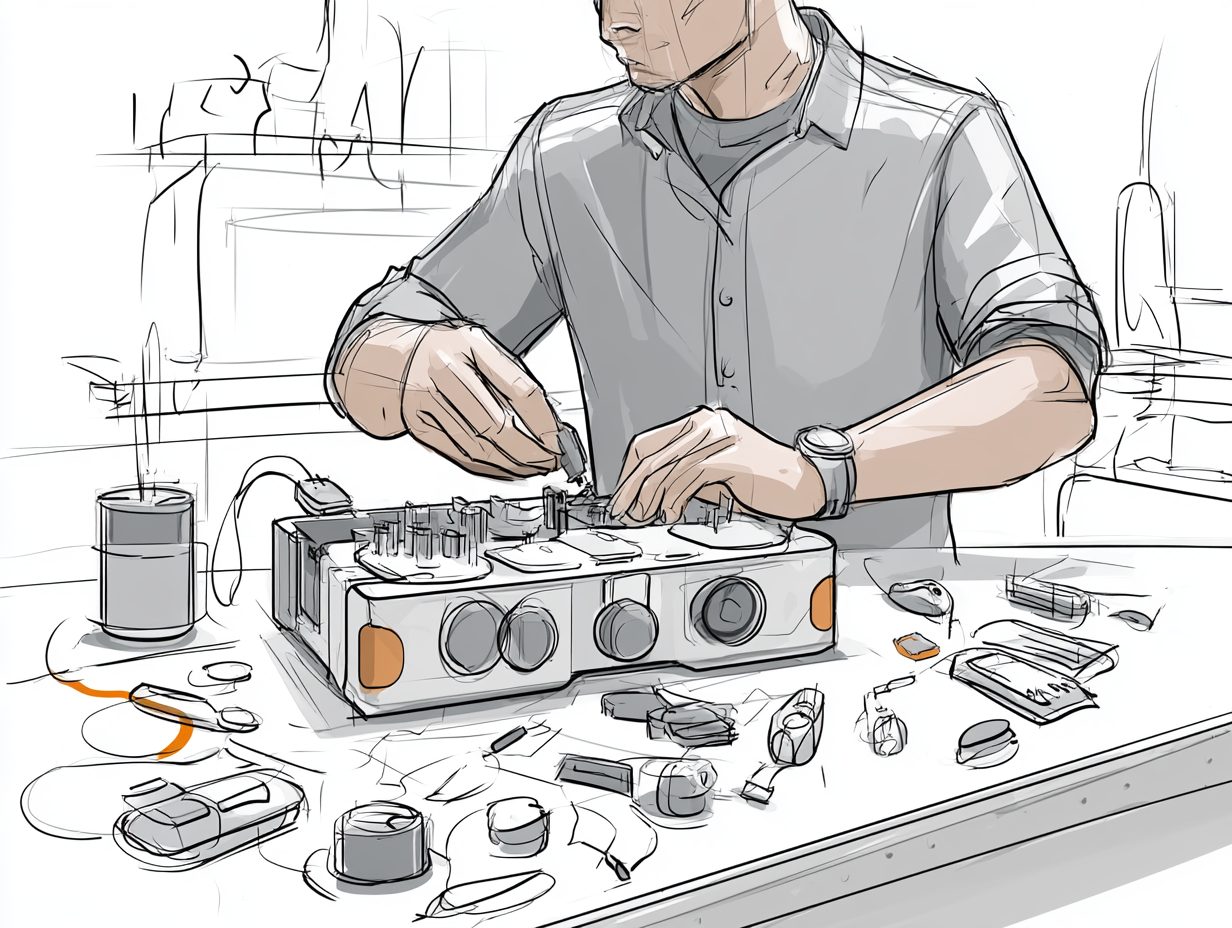
Production Testing
Review test coverage, strategies, access points, and testability.

Manufacturing Documentation
Assess BOMs, drawings, work instructions, and release readiness.
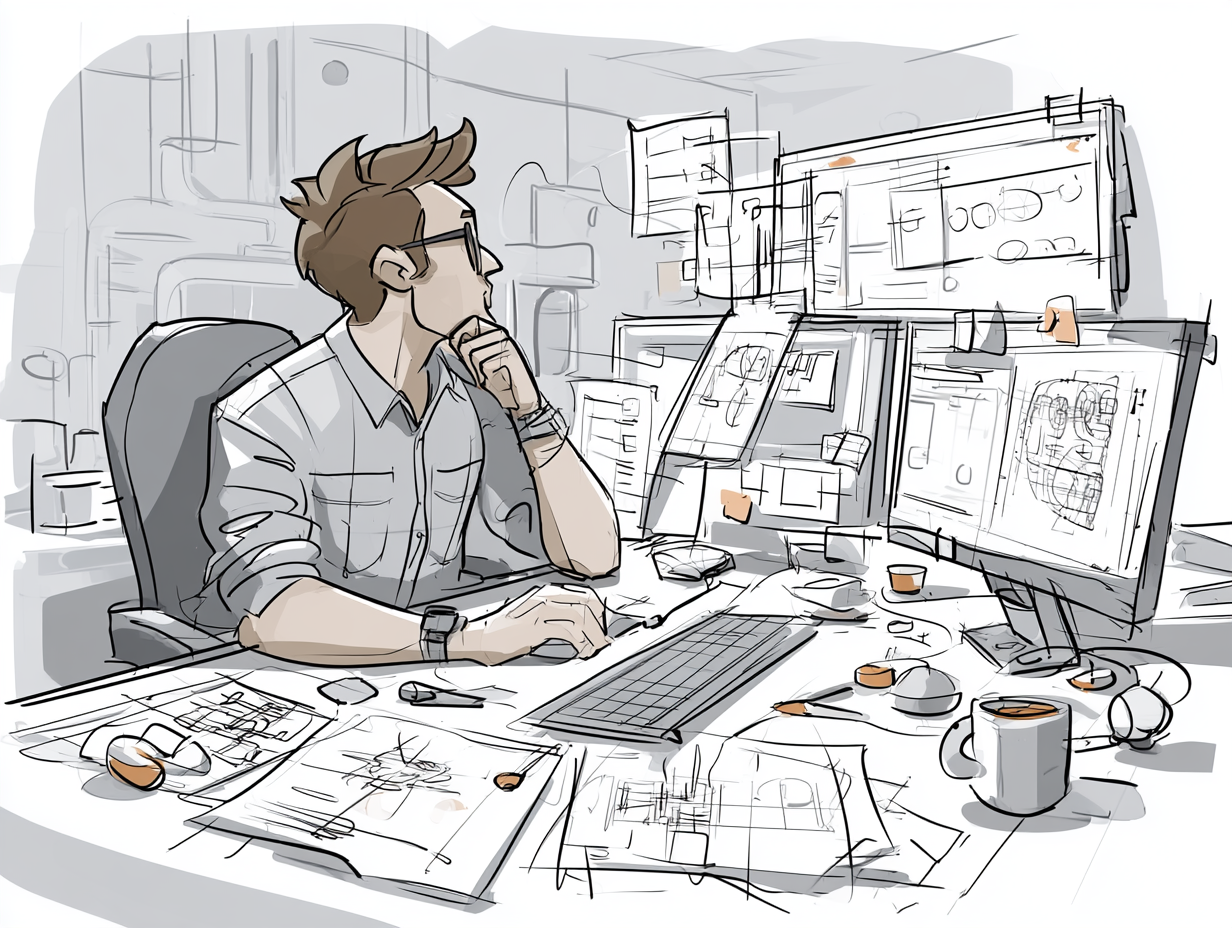
Common DFM Improvements
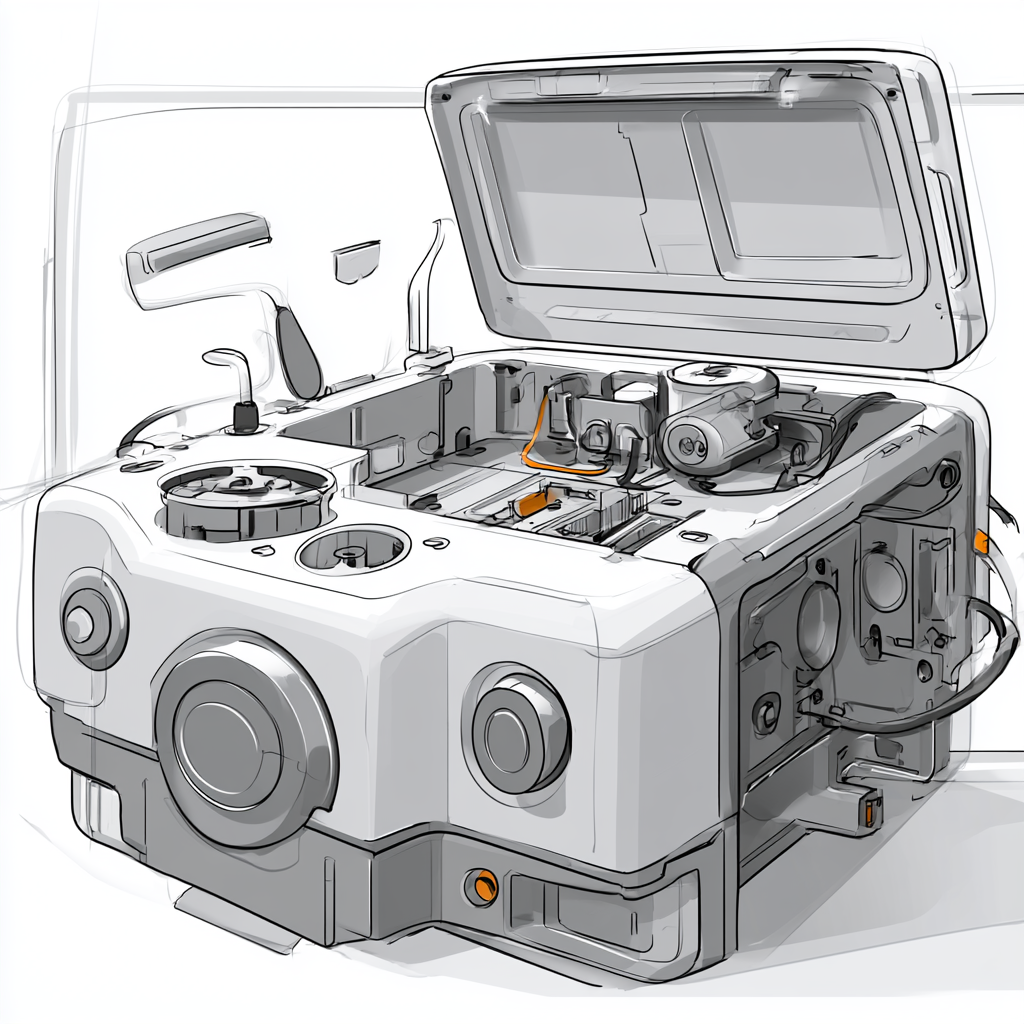
BEFORE
High assembly complexity
Single-source components
Long manufacturing cycle times
Difficult testing procedures
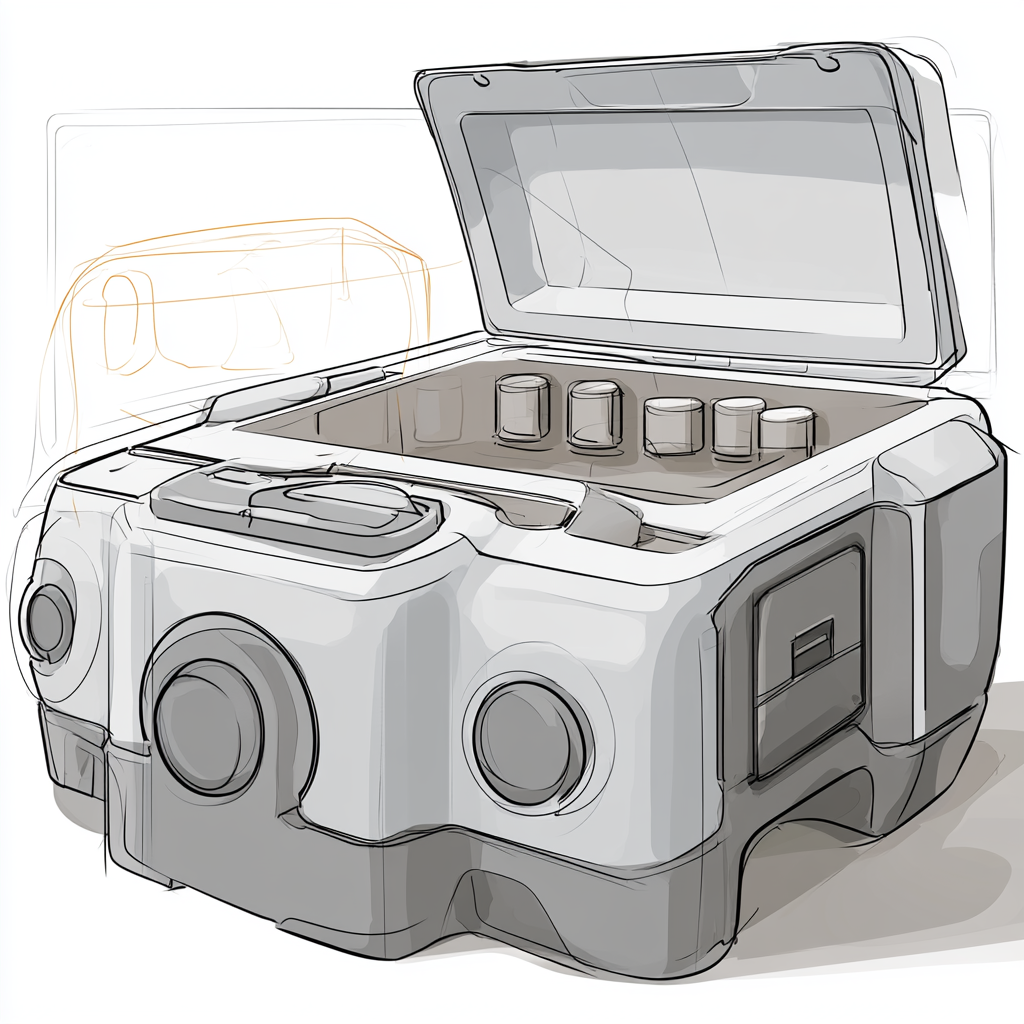
AFTER
Simplified assemblies
Improved sourcing flexibility
Reduced production risk
Improved scalability

Why Companies Choose SPEED?
End-to-End Ownership
We take responsibility for execution from concept through production, ownership that drives results.
Integrated Product Expertise
Hardware, firmware, software, testing, and manufacturing managed as one integrated system.

Manufacturing-First Thinking
We design with production realities in mind from day one to reduce risks and control costs.
Single Point Accountability
One team. One partner. One point of contact accountable for your product’s success.

Proven Results Across Industries

Transforming an Innovative Concept into a Production-Ready Product
SPEED provided end-to-end development support to help turn an ambitious concept into a manufacturable product designed for real-world use.
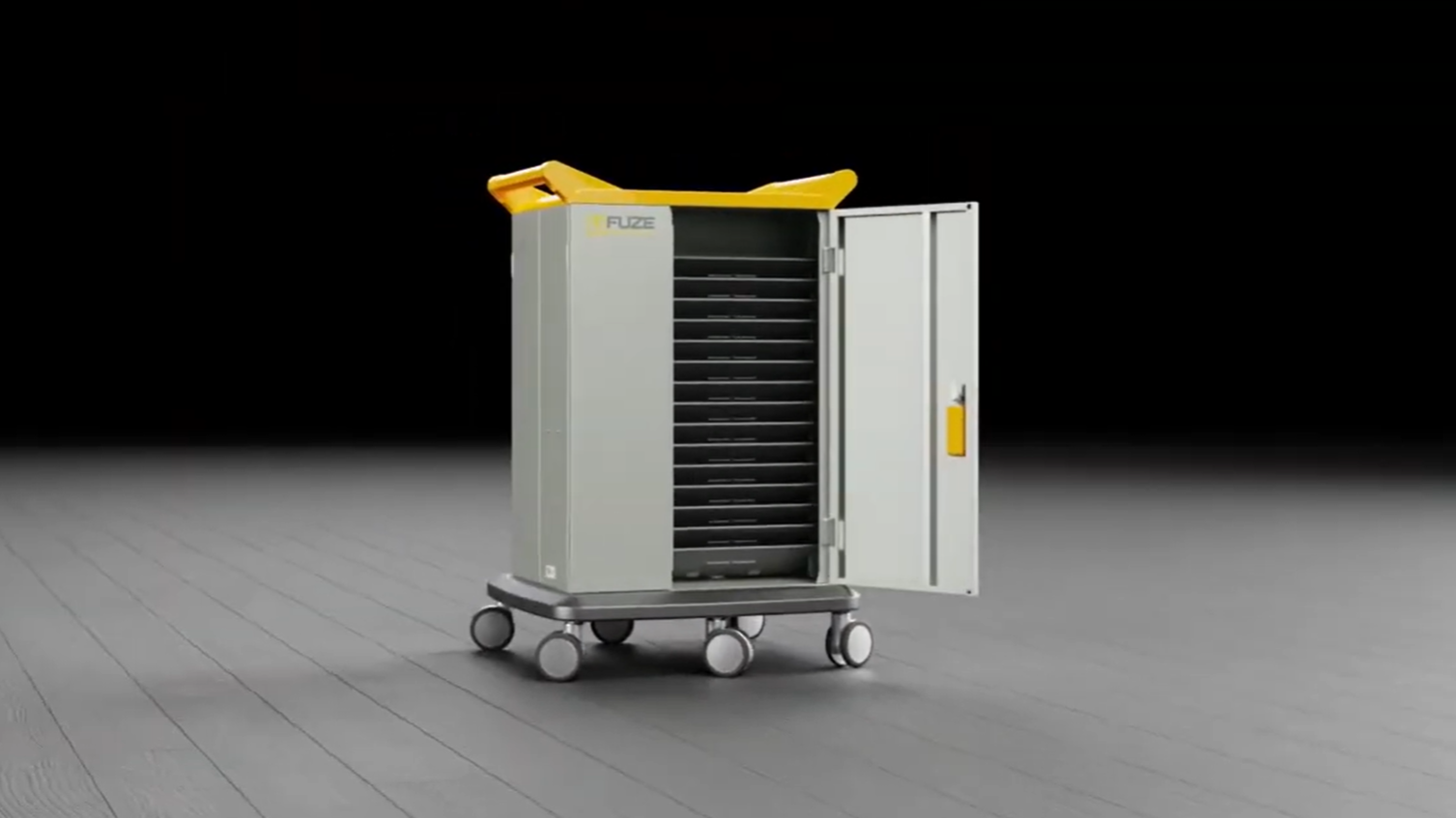
SPEED worked alongside the client to navigate technical complexity, align stakeholders, and drive development forward toward a successful launch.
Taking Ownership of Complex Product Execution

SPEED supported MedAxis through the development of a sophisticated medical device by integrating hardware development expertise with a focus on usability, quality, and manufacturability.
Helping Bring Complex Medical Technology to Market
Frequently Asked Questions
-
Manufacturing transition support helps companies move products from development into scalable production. This includes evaluating manufacturability, coordinating with suppliers and contract manufacturers, addressing design risks, developing testing strategies, and supporting production ramp activities. The goal is to reduce risk, avoid costly redesigns, and ensure products are ready for successful manufacturing.
-
Manufacturing planning should begin as early as possible in the development process. Incorporating manufacturing considerations during product development helps identify potential risks before they become expensive problems. Waiting until after a prototype is complete often leads to redesigns, delays, and increased costs.
-
Design for Manufacturing (DFM) is the process of optimizing a product so it can be produced efficiently, reliably, and cost-effectively. DFM considerations may include component selection, assembly methods, testing strategies, supply chain availability, tolerances, and production scalability.
-
Common risks include designs that are difficult to manufacture, supply chain constraints, inadequate testing strategies, incomplete documentation, unexpected certification requirements, and limited experience coordinating production activities. Identifying these risks early can significantly improve time-to-market and reduce development costs.
-
Yes. SPEED frequently collaborates with client-selected manufacturing partners and integrates directly with their teams throughout the transition process. If needed, SPEED can also leverage its manufacturing partner network to help identify a contract manufacturer that aligns with the product's requirements and production goals.
-
Products that are ready for manufacturing have undergone appropriate design reviews, DFM assessments, testing and validation planning, supplier evaluations, and documentation development. A Manufacturing Readiness Review can help identify any remaining gaps before production begins.
-
This is a common situation. SPEED can assess the existing design, identify areas that may create production challenges, and recommend modifications to improve manufacturability, reliability, and scalability before manufacturing activities begin.
-
Yes. While SPEED frequently supports products throughout the entire development lifecycle, the team can also engage specifically to assist with manufacturing readiness, production planning, DFM efforts, and manufacturing transfer activities.
-
SPEED is best suited for complex products that involve the integration of hardware, firmware, software, and manufacturing considerations. This includes connected devices, industrial systems, regulated products, high-reliability applications, and products operating in demanding environments.
-
A Manufacturing Readiness Review evaluates the current state of a product and identifies potential risks that could impact production. Typical areas of assessment include manufacturability, supply chain considerations, testing strategies, documentation completeness, production planning, and overall readiness for manufacturing transfer. The outcome is a prioritized action plan designed to improve the likelihood of a successful production launch.
Not Sure If Your Product Is Ready for Manufacturing?
The cost of discovering manufacturing issues late in development can be substantial. A Manufacturing Readiness Review helps identify risks, gaps, and opportunities before they impact production schedules and budgets.
Schedule Your Manufacturing Readiness Review