
Transition Complex Hardware Products Into Manufacturing With Confidence
Moving from prototype to production is where many hardware products fail. SPEED helps companies navigate manufacturing readiness, DFM, supplier coordination, testing, certification, and production ramp.
The Gap Between Prototype and Production
Many products work in the lab but struggle when manufacturing begins. The challenges may not be in the prototype but in the transition.
Prototype Works, Production Doesn’t
Designs that aren’t built for real-world production.
Test Strategy Gaps
Inadequate validation leads to production surprises
DFM Issues
Products not optimized for efficient, repeatable manufacturing.
Certification Delays
Regulatory and certification requirements create unexpected setbacks.
Supply Chain Risks
Component availability and lead times discovered too late.
Manufacturing Cost Surprises
Production costs significantly higher than expected.
Is Your Product Ready for Manufacturing?
You may benefit from manufacturing transition support if:
Your prototype has not been reviewed for manufacturability

Your contract manufacturer is requesting design changes
Production costs are higher than expected
Your engineering team has limited production experience
You are preparing for EVT, DVT, or PVT builds
Testing and validation plans are incomplete
You are concerned about scaling from prototype quantities to production volumes
Multiple vendors are involved and coordination is becoming difficult
Our Manufacturing Transition Process
A structured, proven approach that reduces risk and accelerates your path to production.
-
We evaluate product architecture, design maturity, DFM readiness, supply chain risks, manufacturing risks, and test strategy.
-
We identify qualified manufacturing partners for all components, parts, assemblies, testing, etc.
We manage the RFQ, file sharing, budgetary costing, quote evaluation, and risk analysis.
-
We help you walk the product through the initial production ramp up.
The transition from prototypes to production involves a lot of coordination and key decisions to be made. Updates to features, changes for manufacturability, and accommodations for the supply chain all require some elements of compromise.
Our experience in both manufacturing and design/engineering allows us to manage this transition efficiently with minimal surprises, keeping you in the driver’s seat of your program and hitting realistic timelines for production.
Manufacturing Readiness Review™
Identify production risks before they become costly delays.
Our Manufacturing Readiness Review provides a clear assessment of your product’s readiness for volume production and a prioritized plan to close the gaps.
REVIEW DELIVERABLES:
DFM Assessment
Production Risk Review
Supply Chain Review
Test Strategy Evaluation
Recommended Action Plan

Schedule Your Manufacturing Readiness Review
Why Companies Choose SPEED?
End-to-End Ownership
We take responsibility for execution from concept through production, ownership that drives results.
Integrated Product Expertise
Hardware, firmware, software, testing, and manufacturing managed as one integrated system.

Manufacturing-First Thinking
We design with production realities in mind from day one to reduce risks and control costs.

Single Point Accountability
One team. One partner. One point of contact accountable for your product’s success.

Proven Results Across Industries

Transforming an Innovative Concept into a Production-Ready Product
SPEED provided end-to-end development support to help turn an ambitious concept into a manufacturable product designed for real-world use.
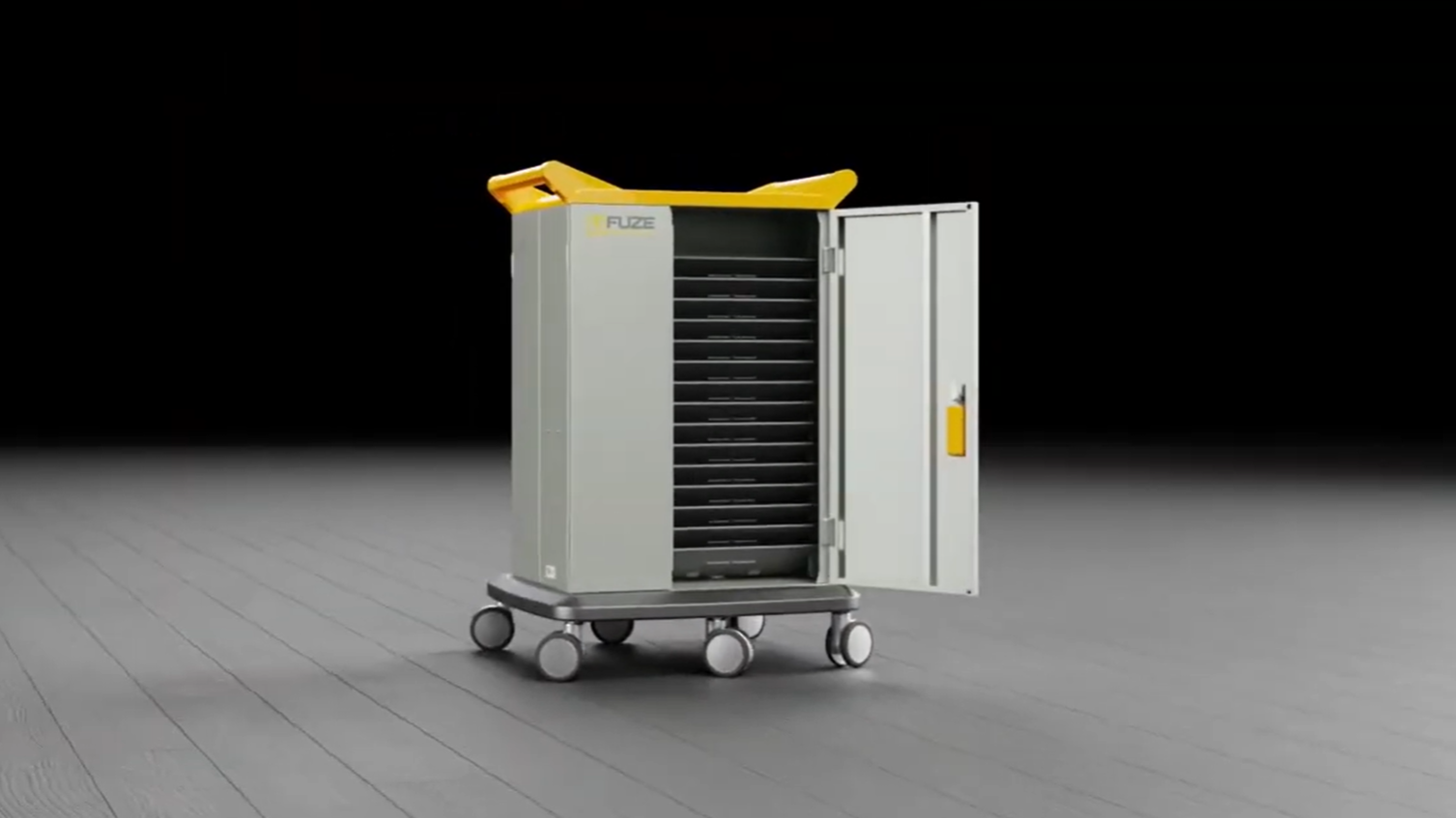
SPEED worked alongside the client to navigate technical complexity, align stakeholders, and drive development forward toward a successful launch.
Taking Ownership of Complex Product Execution

SPEED supported MedAxis through the development of a sophisticated medical device by integrating hardware development expertise with a focus on usability, quality, and manufacturability.
Helping Bring Complex Medical Technology to Market
Frequently Asked Questions
-
Manufacturing transition support helps companies move products from development into scalable production. This includes evaluating manufacturability, coordinating with suppliers and contract manufacturers, addressing design risks, developing testing strategies, and supporting production ramp activities. The goal is to reduce risk, avoid costly redesigns, and ensure products are ready for successful manufacturing.
-
Manufacturing planning should begin as early as possible in the development process. Incorporating manufacturing considerations during product development helps identify potential risks before they become expensive problems. Waiting until after a prototype is complete often leads to redesigns, delays, and increased costs.
-
Design for Manufacturing (DFM) is the process of optimizing a product so it can be produced efficiently, reliably, and cost-effectively. DFM considerations may include component selection, assembly methods, testing strategies, supply chain availability, tolerances, and production scalability.
-
Common risks include designs that are difficult to manufacture, supply chain constraints, inadequate testing strategies, incomplete documentation, unexpected certification requirements, and limited experience coordinating production activities. Identifying these risks early can significantly improve time-to-market and reduce development costs.
-
Yes. SPEED frequently collaborates with client-selected manufacturing partners and integrates directly with their teams throughout the transition process. If needed, SPEED can also leverage its manufacturing partner network to help identify a contract manufacturer that aligns with the product's requirements and production goals.
-
Products that are ready for manufacturing have undergone appropriate design reviews, DFM assessments, testing and validation planning, supplier evaluations, and documentation development. A Manufacturing Readiness Review can help identify any remaining gaps before production begins.
-
This is a common situation. SPEED can assess the existing design, identify areas that may create production challenges, and recommend modifications to improve manufacturability, reliability, and scalability before manufacturing activities begin.
-
Yes. While SPEED frequently supports products throughout the entire development lifecycle, the team can also engage specifically to assist with manufacturing readiness, production planning, DFM efforts, and manufacturing transfer activities.
-
SPEED is best suited for complex products that involve the integration of hardware, firmware, software, and manufacturing considerations. This includes connected devices, industrial systems, regulated products, high-reliability applications, and products operating in demanding environments.
-
A Manufacturing Readiness Review evaluates the current state of a product and identifies potential risks that could impact production. Typical areas of assessment include manufacturability, supply chain considerations, testing strategies, documentation completeness, production planning, and overall readiness for manufacturing transfer. The outcome is a prioritized action plan designed to improve the likelihood of a successful production launch.
Not Sure If Your Product Is Ready for Manufacturing?
The cost of discovering manufacturing issues late in development can be substantial. A Manufacturing Readiness Review helps identify risks, gaps, and opportunities before they impact production schedules and budgets.
Schedule Your Manufacturing Readiness Review